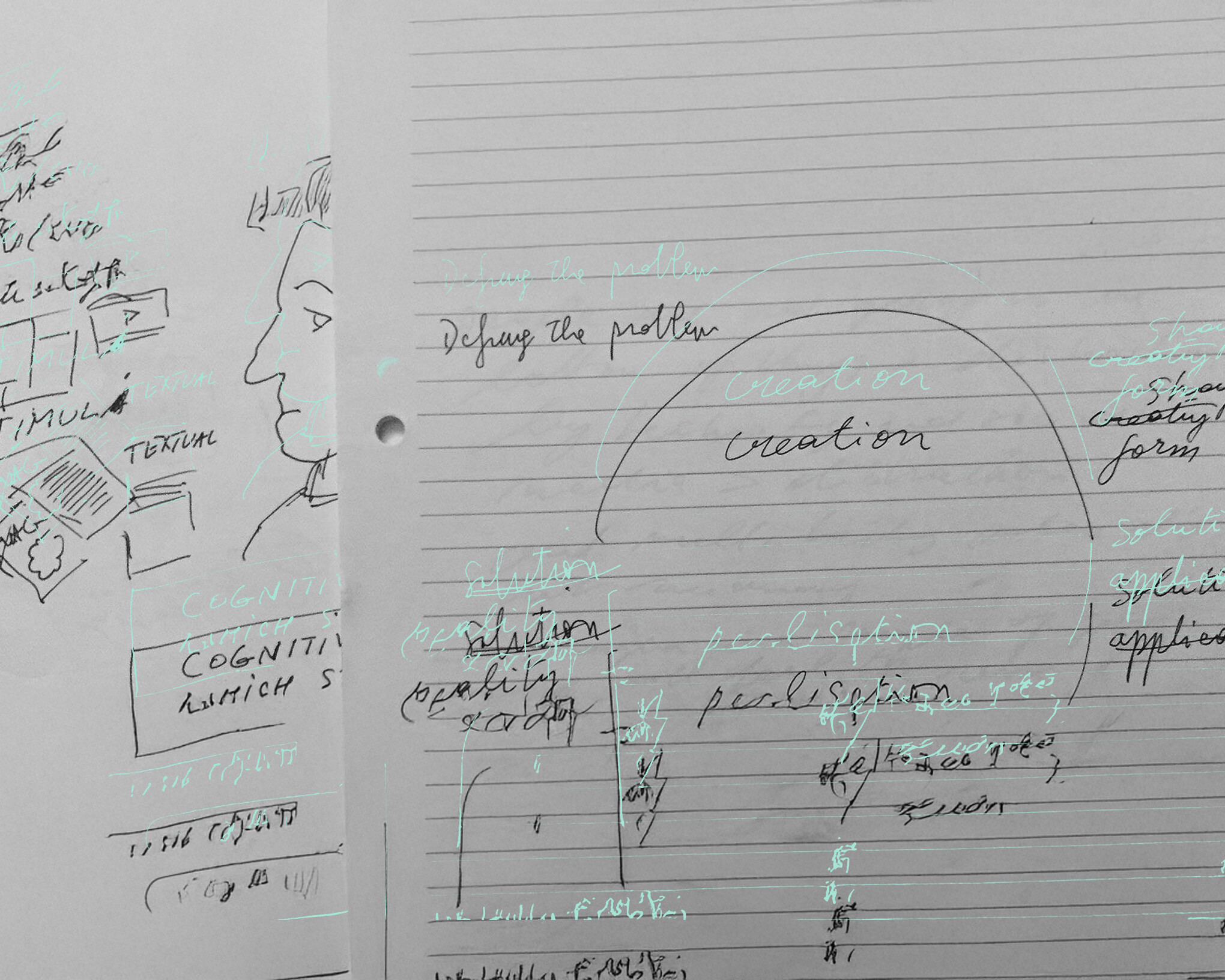

My desk, at any given moment, looks like a scene from Tarkovsky’s epic historical drama Andrei Rublev. Piles of sketches burying each other, three pens with no caps, a stack of open books and magazines, a coffee cup that’s slowly developed its own time zone. Visitors to my home office sometimes ask how on earth I get anything decent out of it. The honest answer: precisely because of that.
Every act of creation is a gesture against chaos.
As designers, artists or writers, we don’t just make things. We draw meaning out of disorder. We take the fragments of life — the noise, the mess, the overload — and shape them into something that holds together.
Design isn’t decoration. Design isn’t just the objects we see, something we can pick up and hold, or the fashionable or efficient clothes we wear every day. It’s everything around us and how we engage with each other. It’s structure, rhythm and intention. It’s a quiet rebellion against randomness. Every grid we draw, every word we choose, every system we build is an attempt to bring clarity where there was none before.
“Design to me means power, and it means transformation. There are some times when I tell people that design was the invisible disruptor before “disruption” was the buzzword of the time. As an industry, we like to relegate it down to just the things that are tangible or that we feel that we actively or intentionally work around. Design is not just the tables that we see, something we can physically touch, or the clothes we’re wearing. It’s everything around us and how we engage with each other.”
– Antionette Carroll, TED Fellow and Founder of Creative Reaction Lab
The French writer Georges Perec understood this better than anyone. His work, especially Species of Spaces and Life: A User’s Manual, is obsessed with the overlooked, the mundane, the repetitive, the background noise of life. He catalogued, listed, mapped and described. Not out of pedantry, but out of a longing to make sense of his world. I recognise myself in that. I’ve got a sketchbook of my own, full of lists no one will ever read, and yet it feels as though I’d drown without them. That sentence says it all, really. We live by naming, ordering, shaping. Without form, we drift. Perec didn’t try to eliminate chaos. He didn’t fight it head-on. Instead, he reined it in — with playful rules, with observation, with obsessive precision. He showed that creativity isn’t about freedom from structure, it’s about finding freedom within it.
It’s the same with branding. Identity lets us keep a grip on the image others have of us, and on the impression we leave behind. A film edits hours of raw footage into a story. A painting freezes an emotion that would otherwise have slipped past. Even a good conversation is, if you stop to think about it, a form of design: shaping thoughts in real time, responding, refining, reordering.
I once had a client ask me to design “completely freely.” No brief, no boundaries, no rules. The result was three weeks of standstill and a moodboard full of good intentions. Freedom without form isn’t freedom. It’s just procrastination.
We don’t eliminate chaos. We work with it to transform it.
Sometimes that means: pulling back. Making space. Letting silence in. Building up and breaking down. Sometimes it means the exact opposite: letting intuition lead. There’s no fixed method. But there is an instinct, the creative instinct, that says: this, here, matters. Let’s shape it. Let’s hold onto it.
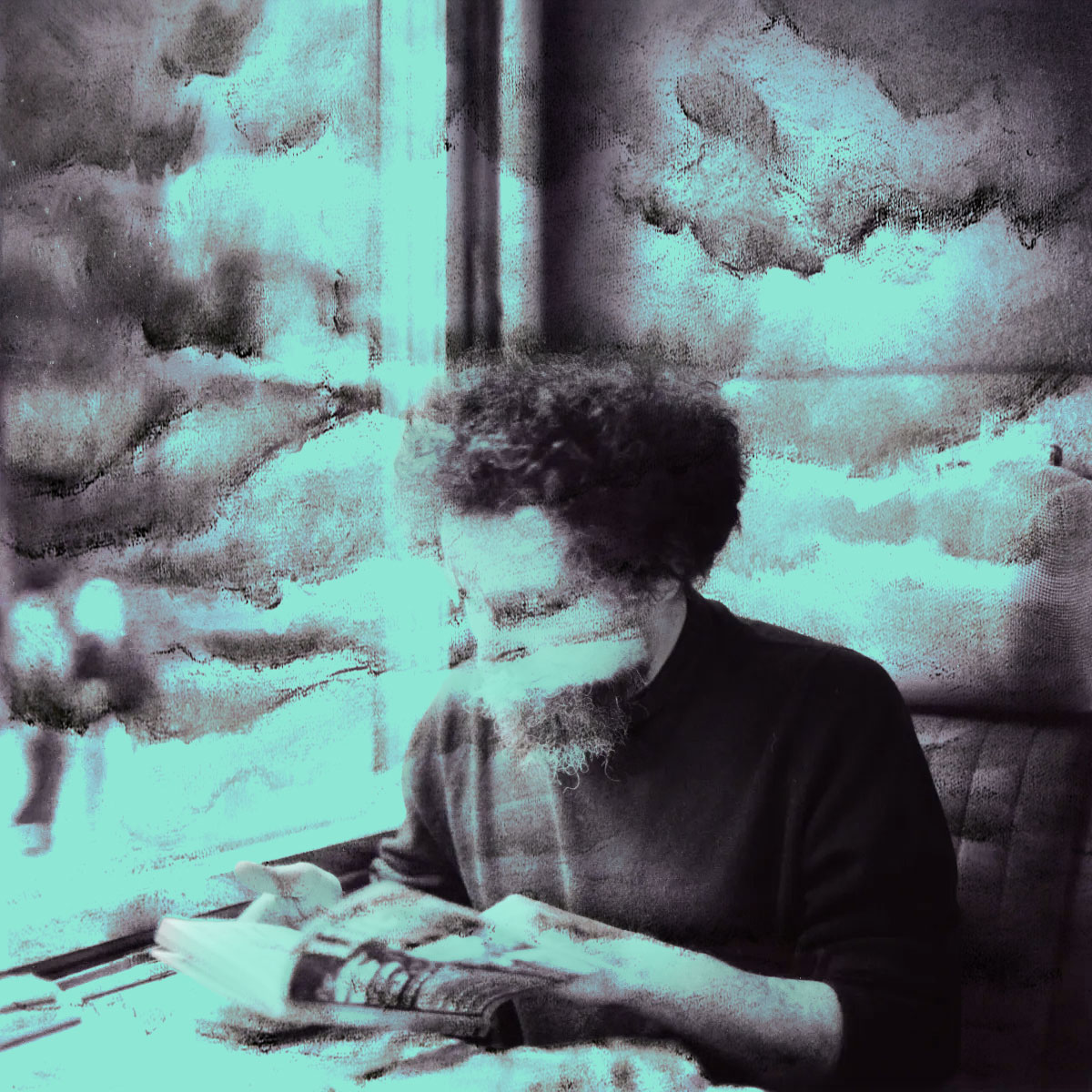
“To write: to try meticulously to retain something, to cause something to survive; to wrest a few precise scraps from the void as it grows, to leave somewhere a furrow, a trace, a mark or a few signs.”
— Georges Perec