
Digital Legacy
1995 First Steps Into the World of Presentation Graphics
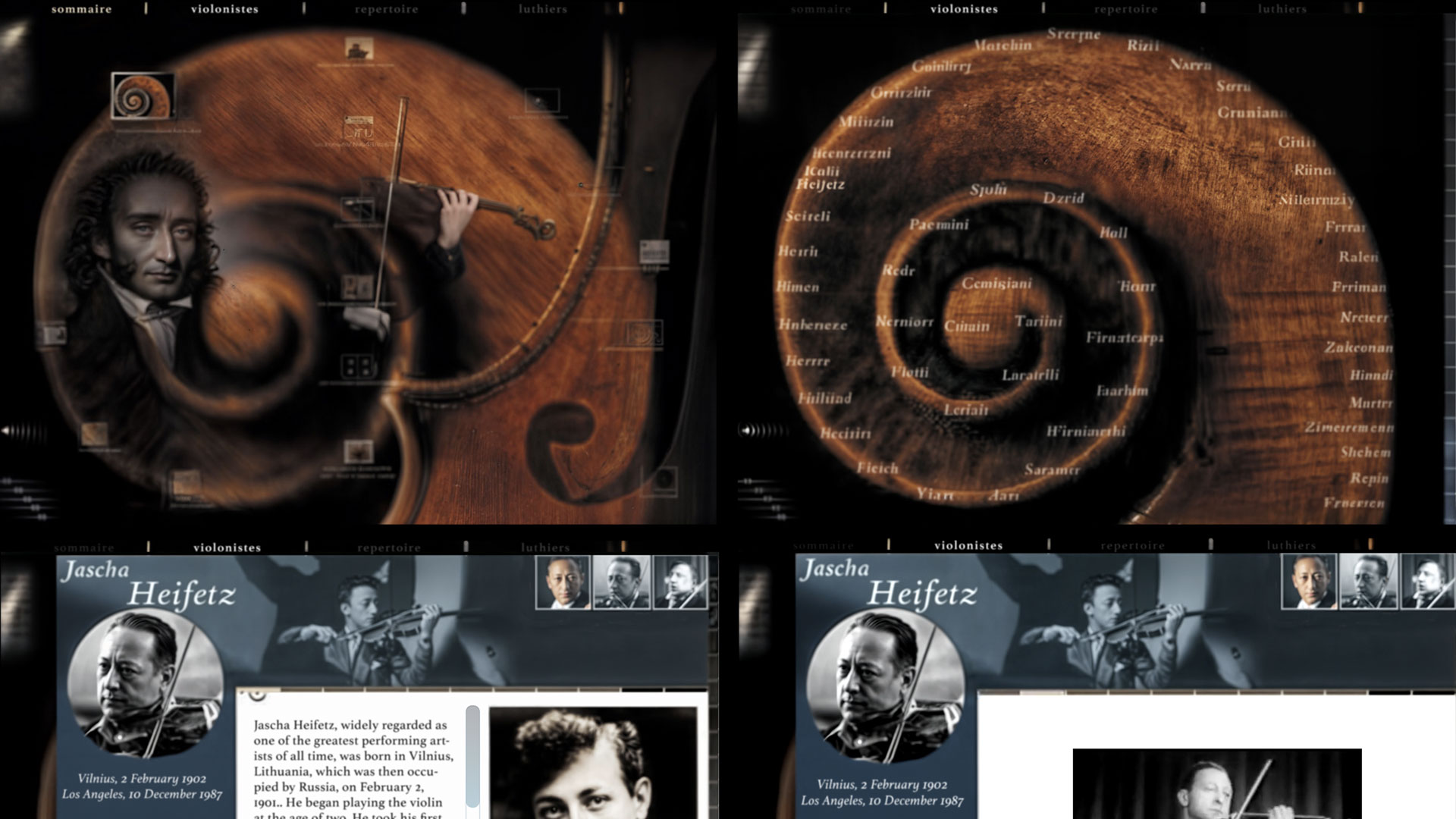
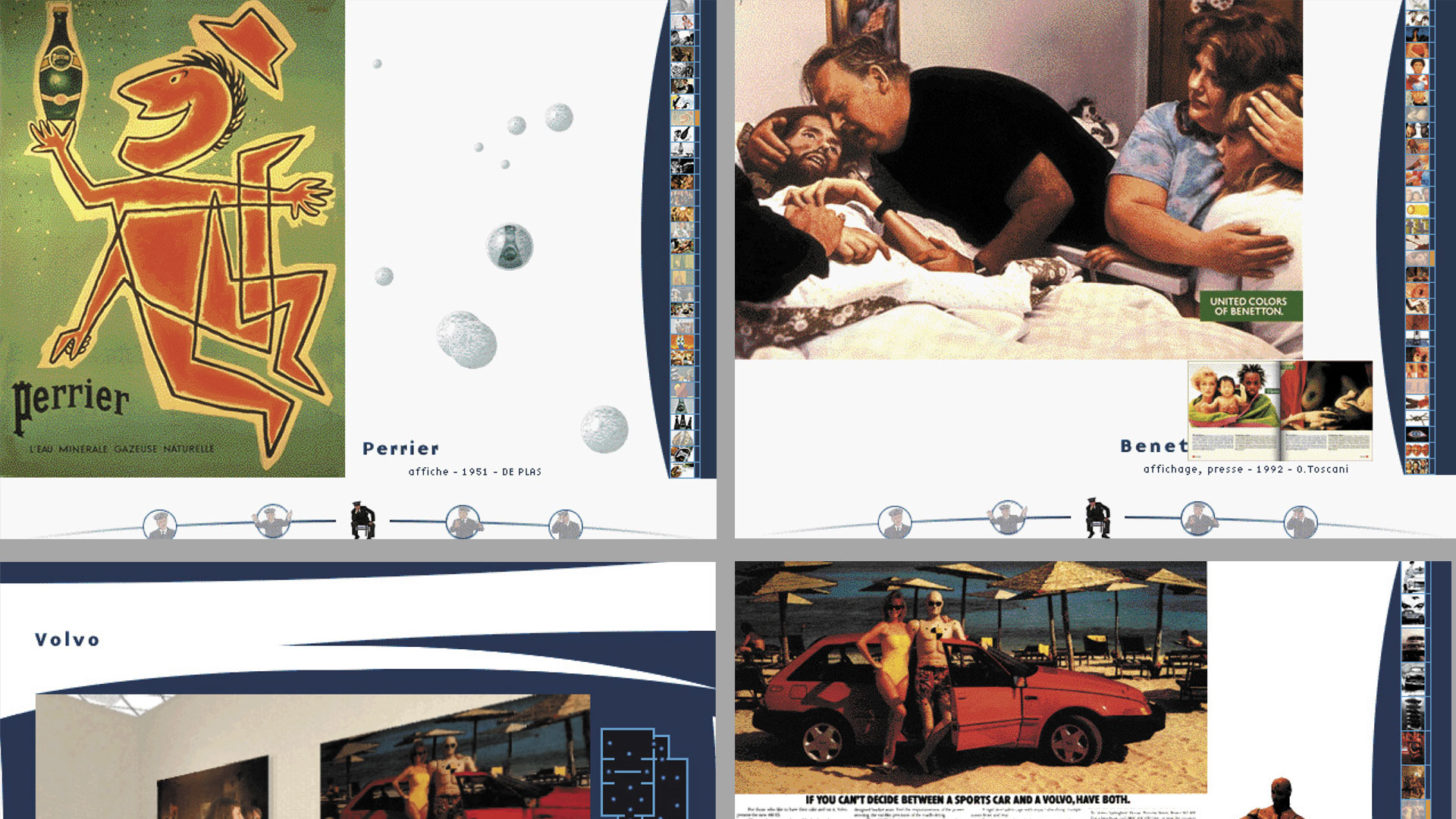
I started my career working with software that no longer exists: Aldus Persuasion, Astound Presentation, Macromedia Director. Tools built for presentation graphics and multimedia at a time when “digital” still had weight—when making images move, sequencing a story, or projecting content was a deliberate act rather than a default gesture. That early exposure shaped how I think about presentations, storytelling, and attention to this day.
Client
Epitome
Services
Presentation Design
Multimedia
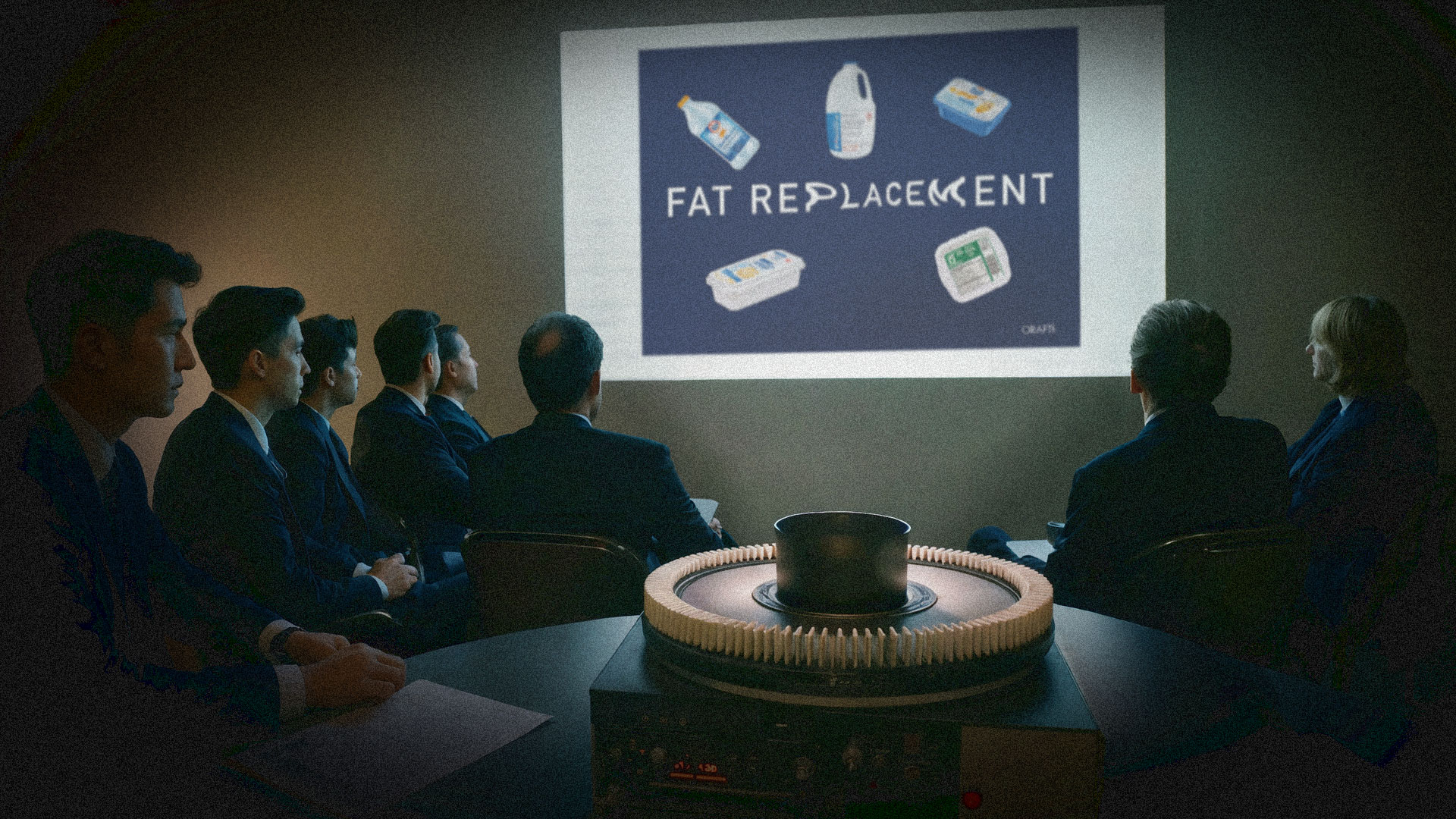
Long before PowerPoint became ubiquitous, I grew up with another kind of slideshow: physical slides. My father, an avid amateur photographer, documented everything—holidays, weekends, small rituals—with thousands of images that had to be developed, sorted, stored, and finally projected. The ritual mattered. The effort mattered. Images were scarce, slow, and therefore meaningful. A slideshow was not content; it was an event.
Those family projections taught me something early on: visuals have power, but only when structured, paced, and curated. Sit through three hundred unedited slides after a heavy lunch and you quickly learn what happens when story, rhythm, and restraint are missing. The same rules apply in business. Boredom sets in when there is no clear narrative, no emotional connection, and too much information forced into a linear sequence.
When I entered professional life, slides were still physical—printed onto film, developed in labs, loaded into trays. “Next” was a mechanical command. Even transitions required advanced projectors and careful planning. This physical lineage explains much of the language we still use today: slides, decks, transitions. PowerPoint didn’t invent the format; it digitised an existing one. Its success came not from conceptual innovation, but from accessibility—templates, clip art, and the rise of digital projectors made presentations effortless to produce, not necessarily better to experience.
Despite all technological progress, the fundamentals haven’t changed. Images remain stronger than words. A clear structure is essential to guide attention. Emotional engagement determines whether an audience stays present or mentally leaves the room. These principles mattered in darkened living rooms with slide projectors, and they still matter on LED walls, laptops, and streamed presentations.
What has changed is the potential. Today we have animation, film, sound, and interactivity at our disposal—often within the same tools we use for slides. Yet we still tend to box these possibilities into static sequences. The future of presentations lies not in more slides, but in richer, more fluid visual narratives—experiences designed rather than assembled.